
-
Summer Bulbs & Tubers
Summer Bulbs & Tubers

-
Bare-root Perennials
Bare-root Perennials

-
Shop by Solution




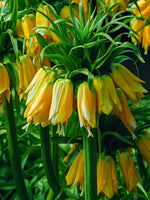
Fritillaria 'Imperialis Lutea' (Crown Imperial)
£4.49
Unit price perEstimated Delivery between January 12 and January 14.
A truly majestic and architectural plant, 'Lutea' is the yellow form of the Crown Imperial. It produces a tall, thick, and robust stem which is topped in mid-spring with a spectacular whorl of up to ten large, nodding, bell-shaped flowers of a clear, luminous yellow. Sitting proudly above this floral crown is a pineapple-like tuft of fresh green, leafy bracts. It is a true statement piece for the garden, known for its regal presence and unique form. The entire plant has a distinctive musky scent, often described as 'foxy', which is a famous natural deterrent for rodents, squirrels, and deer.
Fritillaria 'Imperialis Lutea' (Crown Imperial)
A truly majestic and architectural plant, 'Lutea' is the yellow form of the Crown Imperial. It produces a tall, thick, and robust stem which is topped in mid-spring with a spectacular whorl of up to ten large, nodding, bell-shaped flowers of a clear, luminous yellow. Sitting proudly above this floral crown is a pineapple-like tuft of fresh green, leafy bracts. It is a true statement piece for the garden, known for its regal presence and unique form. The entire plant has a distinctive musky scent, often described as 'foxy', which is a famous natural deterrent for rodents, squirrels, and deer.
| Botanical name | Fritillaria imperialis 'Lutea' |
| Flower type | Crown Imperial |
| Bulb size | 20/24 cm |
| Height | 90-100 cm |
| Spread | 20-30 cm |
| Spacing | 1 bulb per 25 cm² |
| Hardiness | Fully Hardy |
| Sunlight | Full Sun / Partial Shade |
| Suitable for | Borders, Architectural Plantings |
Planting and Flowering Calendar
Key Features
Packed in paper
Packed peat-free
Great for Shade
Rodent resistant
Naturalising

The Finest Bulbs
We partner with elite growers to provide only top-size, professional-grade bulbs. Bigger bulbs mean stronger roots and more spectacular blooms.

A Greener Thumb
We are committed to a healthier planet, using sustainable growing practices and mindfully chosen, recyclable packaging.

An Unrivaled Selection
Discover an extensive collection of both timeless classics and rare, exclusive varieties to create a garden that is uniquely yours.

Our Bloom Guarantee
We stand behind our quality. From our expert planting guides to our customer service, we ensure your gardening success.
Kind Words from Our Gardeners
Arrived quickly and well-packaged. Planted them in some pots on the patio and they all came up. Look beautiful. Thank you!
Careane Wallace
The bulbs arrived beautifully packaged and you could just tell they were excellent quality. We had the most wonderful display of daffodils this spring on our patio. Simply stunning. Will definitely be ordering again
David P
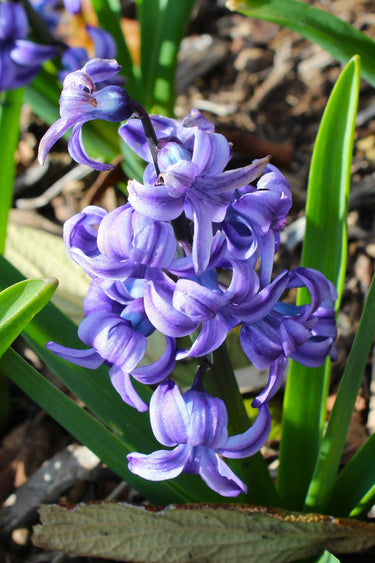
I ordered the mixed hyacinth collection and the scent in my garden this April was absolutely heavenly. Every single bulb produced a strong, beautiful flower and the colours were stunning together. A fantastic purchase, I'll be back for more next year!
Eleanor R
Somerset