
-
Summer Bulbs & Tubers
Summer Bulbs & Tubers

-
Bare-root Perennials
Bare-root Perennials

-
Shop by Solution




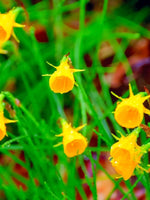
Daffodil (Narcissus) 'Golden Bells'
£8.89
Unit price perEstimated Delivery between January 13 and January 15.
A charming and delightful miniature daffodil, 'Golden Bells' is a selection of the species Narcissus bulbocodium, commonly known as the "Hoop Petticoat" daffodil. It is prized for its unique and distinctive flower shape. The blooms consist of a huge, widely flaring, bell-shaped corona (the "petticoat") and tiny, almost insignificant pointed outer petals. The flowers are a brilliant, shining golden-yellow and are held on short, slender stems above fine, grassy foliage. They are wonderfully prolific and will happily naturalise in a suitable spot, creating a dense, shimmering carpet of golden bells in early spring. This is a perfect choice for rock gardens, pots, or for naturalising in damp turf.
Daffodil (Narcissus) 'Golden Bells'
A charming and delightful miniature daffodil, 'Golden Bells' is a selection of the species Narcissus bulbocodium, commonly known as the "Hoop Petticoat" daffodil. It is prized for its unique and distinctive flower shape. The blooms consist of a huge, widely flaring, bell-shaped corona (the "petticoat") and tiny, almost insignificant pointed outer petals. The flowers are a brilliant, shining golden-yellow and are held on short, slender stems above fine, grassy foliage. They are wonderfully prolific and will happily naturalise in a suitable spot, creating a dense, shimmering carpet of golden bells in early spring. This is a perfect choice for rock gardens, pots, or for naturalising in damp turf.
| Botanical name | Narcissus bulbocodium 'Golden Bells' |
| Flower colour | Golden yellow |
| Bulb size | 5/6 cm |
| Established height | 15-20 cm |
| Established spread | 8-10 cm |
| Plant spacing | 100+ bulbs per m² |
| Leaf colour | Green |
| Habit | Clump-forming, dwarf |
| Life cycle | Perennial |
| Hardiness | Fully hardy (H6) |
| Years to establish | 1st year |
| Sunlight | Full sun |
| Position | Exposed or Sheltered |
| Suitable for | Rock gardens, Pots, Naturalising in lawns |
| Soil acidity | Any |
| Soil moisture | Moist but well-drained |
| Soil type | Chalk, Clay, Loam, Sand |
| RHS Award (AGM) | Yes |
| Growing skill | Easy to grow |
| Pollinator-friendly | Yes |
| Deer resistant | Yes |
Planting and Flowering Calendar
Key Features
Packed in paper
Packed peat-free
Great for Shade
Attracts wildlife
Low maintenance
RHS Award (AGM)
Rodent resistant
Perfect for pots
Naturalising

The Finest Bulbs
We partner with elite growers to provide only top-size, professional-grade bulbs. Bigger bulbs mean stronger roots and more spectacular blooms.

A Greener Thumb
We are committed to a healthier planet, using sustainable growing practices and mindfully chosen, recyclable packaging.

An Unrivaled Selection
Discover an extensive collection of both timeless classics and rare, exclusive varieties to create a garden that is uniquely yours.

Our Bloom Guarantee
We stand behind our quality. From our expert planting guides to our customer service, we ensure your gardening success.
Kind Words from Our Gardeners
Arrived quickly and well-packaged. Planted them in some pots on the patio and they all came up. Look beautiful. Thank you!
Careane Wallace
The bulbs arrived beautifully packaged and you could just tell they were excellent quality. We had the most wonderful display of daffodils this spring on our patio. Simply stunning. Will definitely be ordering again
David P
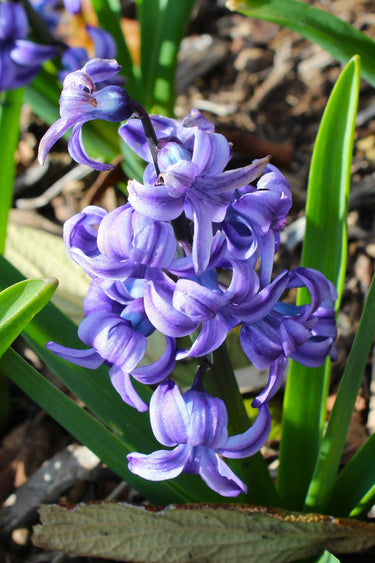
I ordered the mixed hyacinth collection and the scent in my garden this April was absolutely heavenly. Every single bulb produced a strong, beautiful flower and the colours were stunning together. A fantastic purchase, I'll be back for more next year!
Eleanor R
Somerset