
-
Summer Bulbs & Tubers
Summer Bulbs & Tubers

-
Bare-root Perennials
Bare-root Perennials

-
Shop by Solution




English Bluebells 'In the Green' (Hyacinthoides non-scripta)
£11.99
Unit price perEstimated Delivery between February 23 and February 25.
English bluebells (Hyacinthoides non‑scripta) create one of the most recognisable spring displays: arching stems lined with fragrant, bell‑shaped blooms in deep, woodland blue. They’re a lovely way to bring a natural, British feel to gardens and wild corners.
They’re ideal for naturalising beneath deciduous trees, along shady hedgerows, or at the edge of a border where the soil stays cool. In the right spot, bulbs will spread steadily and form a beautiful carpet over time, returning reliably each spring and filling gaps before summer perennials wake up.
Bluebells prefer humus‑rich, moderately fertile soil that drains well but doesn’t dry out. If your soil is heavy or very sandy, improve it with leaf mould or compost to boost structure and moisture retention, and choose partial shade to keep the ground from baking.
Plant bulbs in autumn about 8cm deep and 8–10cm apart. Leave them undisturbed once planted—bluebells bulk up best when they’re allowed to settle and multiply in place, creating thicker clumps and more flower stems each year.
After flowering, let the foliage die back naturally to feed the bulbs for next year. Bluebells can spread in favourable conditions, so choose a planting area where you’re happy for them to roam and mingle, especially in woodland-style planting, alongside ferns and other shade lovers.
English Bluebells 'In the Green' (Hyacinthoides non-scripta)
English bluebells (Hyacinthoides non‑scripta) create one of the most recognisable spring displays: arching stems lined with fragrant, bell‑shaped blooms in deep, woodland blue. They’re a lovely way to bring a natural, British feel to gardens and wild corners.
They’re ideal for naturalising beneath deciduous trees, along shady hedgerows, or at the edge of a border where the soil stays cool. In the right spot, bulbs will spread steadily and form a beautiful carpet over time, returning reliably each spring and filling gaps before summer perennials wake up.
Bluebells prefer humus‑rich, moderately fertile soil that drains well but doesn’t dry out. If your soil is heavy or very sandy, improve it with leaf mould or compost to boost structure and moisture retention, and choose partial shade to keep the ground from baking.
Plant bulbs in autumn about 8cm deep and 8–10cm apart. Leave them undisturbed once planted—bluebells bulk up best when they’re allowed to settle and multiply in place, creating thicker clumps and more flower stems each year.
After flowering, let the foliage die back naturally to feed the bulbs for next year. Bluebells can spread in favourable conditions, so choose a planting area where you’re happy for them to roam and mingle, especially in woodland-style planting, alongside ferns and other shade lovers.
Planting and Flowering Calendar
Key Features
Packed in paper
Packed peat-free
Great for Shade
Attracts wildlife
Low maintenance
Naturalising

£11.99
Unit price per
The Finest Bulbs
We partner with elite growers to provide only top-size, professional-grade bulbs. Bigger bulbs mean stronger roots and more spectacular blooms.

A Greener Thumb
We are committed to a healthier planet, using sustainable growing practices and mindfully chosen, recyclable packaging.

An Unrivaled Selection
Discover an extensive collection of both timeless classics and rare, exclusive varieties to create a garden that is uniquely yours.

Our Bloom Guarantee
We stand behind our quality. From our expert planting guides to our customer service, we ensure your gardening success.
Kind Words from Our Gardeners
Arrived quickly and well-packaged. Planted them in some pots on the patio and they all came up. Look beautiful. Thank you!
Careane Wallace
The bulbs arrived beautifully packaged and you could just tell they were excellent quality. We had the most wonderful display of daffodils this spring on our patio. Simply stunning. Will definitely be ordering again
David P
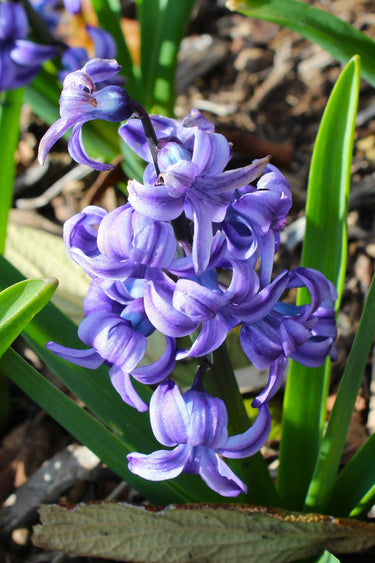
I ordered the mixed hyacinth collection and the scent in my garden this April was absolutely heavenly. Every single bulb produced a strong, beautiful flower and the colours were stunning together. A fantastic purchase, I'll be back for more next year!
Eleanor R
Somerset