
-
Summer Bulbs & Tubers
Summer Bulbs & Tubers

-
Bare-root Perennials
Bare-root Perennials

-
Shop by Solution


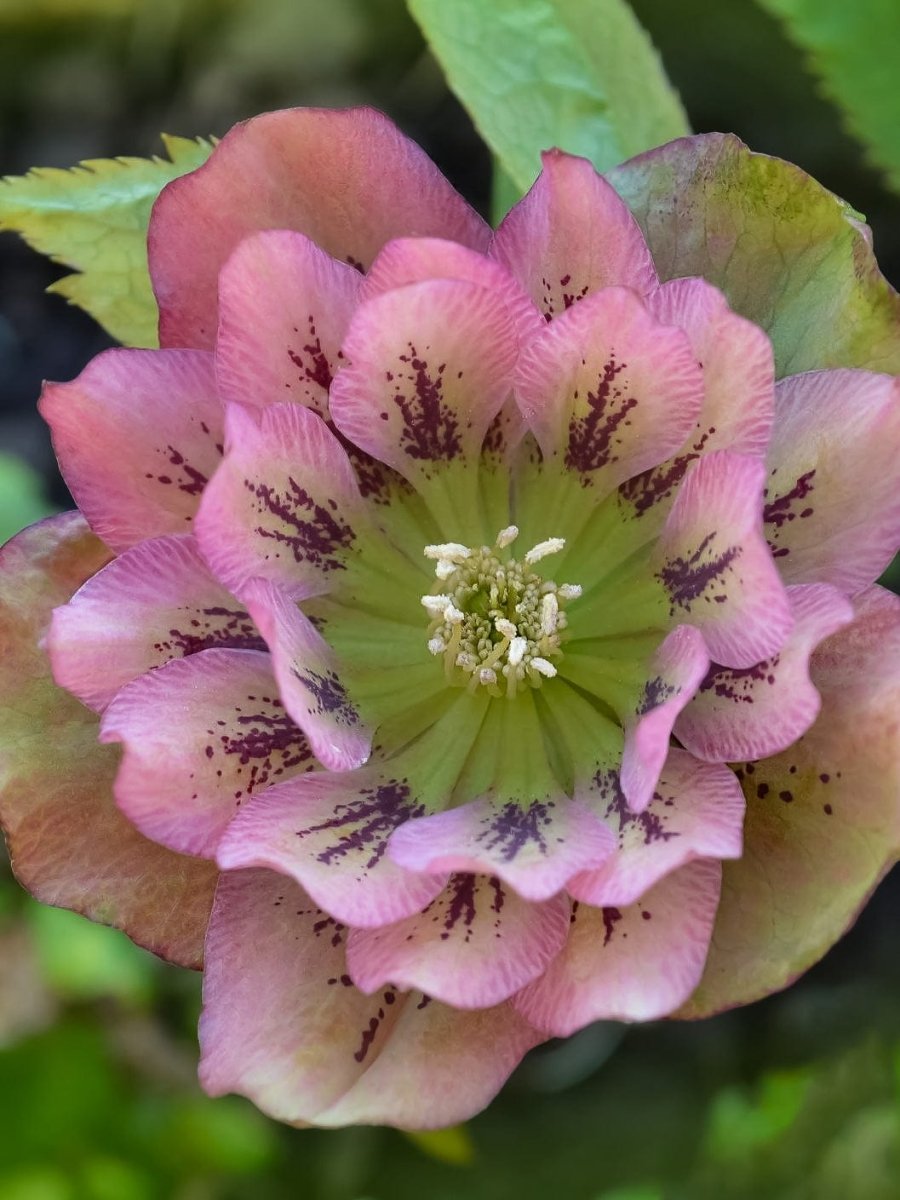


Dahlia 'Labyrinth' – (Dinnerplate)
£4.69
Unit price perEstimated Delivery between February 03 and February 05.
Dahlia ‘Labyrinth’ is a show-stopping Dinnerplate variety famous for its swirling, twisted petals and a mesmerizing colour palette that blends apricot, peach, and raspberry pink.
Growing to a substantial height of around 100cm, it produces massive blooms that can reach over 20cm across. The chaotic, wavy arrangement of the petals gives each flower a unique, romantic look, making it a favourite for luxury bouquets and wedding arrangements.
Plant in a sunny, sheltered spot in rich, fertile soil once all risk of frost has passed. Tubers should be planted around 15cm deep and spaced about 60cm apart to allow for vigorous growth. Staking is essential to support the heavy flower heads.
Water regularly, especially during dry spells, and feed with a high-potash fertiliser every two weeks once buds appear. Deadhead faded blooms regularly to encourage a continuous display of flowers right through to the first frosts.
An absolute must-have for the cutting garden, ‘Labyrinth’ pairs beautifully with deep purple Salvias or dark-leaved Dahlias. In borders, its warm, sunset tones bring a modern, exotic feel to late summer planting schemes.
Dahlia 'Labyrinth' – (Dinnerplate)
Dahlia ‘Labyrinth’ is a show-stopping Dinnerplate variety famous for its swirling, twisted petals and a mesmerizing colour palette that blends apricot, peach, and raspberry pink.
Growing to a substantial height of around 100cm, it produces massive blooms that can reach over 20cm across. The chaotic, wavy arrangement of the petals gives each flower a unique, romantic look, making it a favourite for luxury bouquets and wedding arrangements.
Plant in a sunny, sheltered spot in rich, fertile soil once all risk of frost has passed. Tubers should be planted around 15cm deep and spaced about 60cm apart to allow for vigorous growth. Staking is essential to support the heavy flower heads.
Water regularly, especially during dry spells, and feed with a high-potash fertiliser every two weeks once buds appear. Deadhead faded blooms regularly to encourage a continuous display of flowers right through to the first frosts.
An absolute must-have for the cutting garden, ‘Labyrinth’ pairs beautifully with deep purple Salvias or dark-leaved Dahlias. In borders, its warm, sunset tones bring a modern, exotic feel to late summer planting schemes.
| Botanical name | Dahlia 'Labyrinth' |
| Flower colour | Apricot, peach, and raspberry pink |
| Tuber size | Grade I (Top Size) |
| Established height | 90–100 cm |
| Established spread | 50–60 cm |
| Plant spacing | 3–5 per m² |
| Leaf colour | Dark green |
| Habit | Upright, Bushy |
| Life cycle | Perennial (Tender) |
| Hardiness | Half hardy (Lift in winter) |
| Years to establish | 1st year |
| Sunlight | Full sun |
| Position | Sheltered |
| Suitable for | Borders, Cutting garden, Pots (large) |
| Soil acidity | Neutral to slightly acidic |
| Soil moisture | Moist but well-drained |
| Soil type | Loam, Sand, Clay (enriched) |
| RHS Award (AGM) | No |
| Growing skill | Easy to grow |
| Pollinator-friendly | No (Double flowers) |
| Deer resistant | No |
Planting and Flowering Calendar
Key Features
Packed in paper
Packed peat-free
Great for Shade
Perfect for pots
Good for cutting


The Finest Bulbs
We partner with elite growers to provide only top-size, professional-grade bulbs. Bigger bulbs mean stronger roots and more spectacular blooms.

A Greener Thumb
We are committed to a healthier planet, using sustainable growing practices and mindfully chosen, recyclable packaging.

An Unrivaled Selection
Discover an extensive collection of both timeless classics and rare, exclusive varieties to create a garden that is uniquely yours.

Our Bloom Guarantee
We stand behind our quality. From our expert planting guides to our customer service, we ensure your gardening success.
Kind Words from Our Gardeners
Arrived quickly and well-packaged. Planted them in some pots on the patio and they all came up. Look beautiful. Thank you!
Careane Wallace
The bulbs arrived beautifully packaged and you could just tell they were excellent quality. We had the most wonderful display of daffodils this spring on our patio. Simply stunning. Will definitely be ordering again
David P
I ordered the mixed hyacinth collection and the scent in my garden this April was absolutely heavenly. Every single bulb produced a strong, beautiful flower and the colours were stunning together. A fantastic purchase, I'll be back for more next year!
Eleanor R
Somerset